
All Natural Hemp!
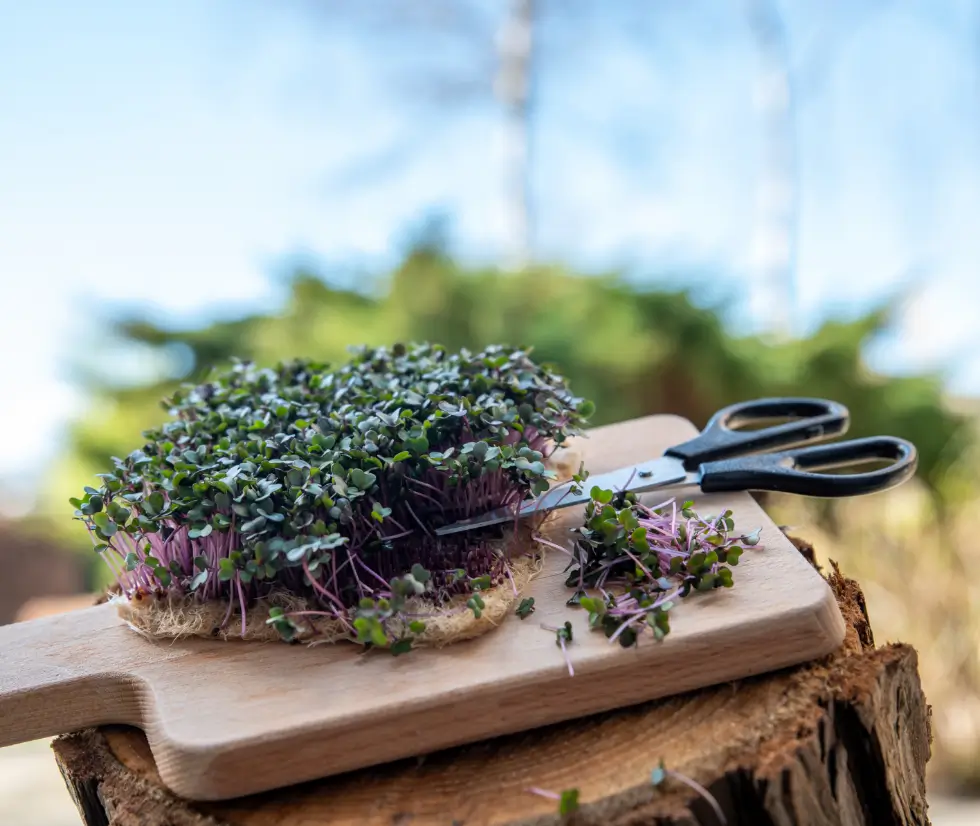
Made from all natural hemp fibres
Terrafibre Europe develops growing substrates from a potential renewable raw material, hemp fibre. Hemp is locally available in Europe and can be scaled up to a supply exceeding 100.000 m. per year. It’s our aim to add value to a sustainable and healthy food production.
We believe that hemp fibre is a perfect substitute for fossil substrates in the cultivation of vegetables due to it’s organic origin, extreme strong fibers and high capacity of water absorption.
The Terrafibre products can be used by small-scale growers or large greenhouses.
Terrafibre partners with hemp manufacturer, greenhouse growers and horticulture knowlegde institutions to optimize substrates of the hemp fibre, which is a renewable raw material.
Why hemp?
Do you know the benefits Terrafibre hemp products provide to (non) professional farmers?
100% NATURAL FIBRE
Terrafibre products are made from 100% natural industrial hemp fibre, the bast fibre. There are over 50,000 applications for hemp fibre and we are excited to add another range of products.
SUSTAINABLE
Hemp fibre products are 100% biodegradable and compostable and support an environmentally friendly and sustainable growth of plants and (sprouting) vegetables.

EASY AND CLEAN TO USE
Our hemp fibre products are easy and clean to use for both the home grower and the professional grower. No messing with potting soil.

WATER-ABSORBING
Hemp fibres can hold 1000% of their own weight in water, providing an optimal moist environment for the growth of sprouts.

VERY STRONG
Natural hemp fibre is one of the strongest natural fibres and approaches the strength of a synthetic fibre.

LONG LASTING
Our hemp fibre products are long lasting yet fully biodegradable and compostable.

PH-NEUTRAL
With a PH of 6.7, hemp fibre is ideal for water-based (cultivation) solutions.

SAFE
Because of the 100% natural raw material, hemp fibre products are safe for humans, animals and the environment.
Sustainability
Terrafibre is an emerging player in the field of sustainable substrates, developing an break through solution for organic fossil-free substrates set by the (inter)national goals to reduce the effects of climate change.
Within the Netherlands, there is the Environmental Impact of Potting Soil and Substrates Convenant (2022), in which four parties, including the governement and the business community, have made agreements about phasing our peat as a growing medium. The aim of this convenant is to reduce CO2 impact of substrates in the food production chain.
The greenhouse sector itself set the following goals:
- climate neutrality by 2040
- full sustainable and automatic cultivation by 2050